
Menu
Please wait ...

When crisis situations hit and stakes are highest…
…preparation
makes all the difference.
Whether it’s a client hinting at suicide as the
session ends, an unpredictable escalation towards violence, or a sudden medical or substance‑related
emergency, high‑risk moments can shake even the most seasoned
clinician.
This intensive, skills‑focused training (led by award‑winning
instructors with over 30 years of combined frontline experience) goes far beyond just
theory to give you proven assessment and intervention strategies,
decision‑making frameworks, and step‑by‑step clinical guidance you can use
immediately.
You’ll Learn How To:
PLUS, when you register, you’ll get immediate access to two BONUS trainings
- “Cultural Competency as Suicide Prevention for Autistic Adults” and
“Moral Injury Interventions for Suicide Prevention”!
These are the
moments clinicians are rarely taught how to manage fully, yet they carry the
highest clinical, ethical, and legal stakes of all…and crisis situations
won’t wait for you to be ready.
Register Today!
Join expert instructor Paul Brasler, MA, MSW, LCSW, whose experience spans substance use treatment, crisis intervention, hospital emergency departments, drug courts—and even a hostage negotiation team. Paul brings real‑world clarity to complex, high‑pressure situations so you can respond with confidence instead of fear.
Don’t miss this chance to build your toolkit for handling even the most critical clinical moments!
Register Now!
Suicide Defined
Professional Self-Care
Protective Factors Against Suicide
Suicide Ideation to Action
Suicide Screening and Assessment
Disposition
Cognitive Behavioral Therapies
Special Populations
Ethical and Legal Issues
Client Assessment: Ask the Right Questions
The Suicidal Client: Recognize Suicide Risk & Effectively Intervene
The Violent Client: Confidently Manage Dangerous Situations
The Addicted Client: What ALL Clinicians Need to Know
Medical vs. Psychiatric Problems: Recognize the Difference
The Traumatized Client: When Trauma Becomes High Risk
High Risk Clinicians: After the Crisis
Discover the unique challenges faced by autistic adults, where 66% experience suicidal ideation, surpassing general population rates and rapidly increasing. Traditional clinical treatments often lead to unintended harm, leaving individuals feeling unheard, invisible, invalidated, and confused—significant factors in this form of harm.
Join Mary Donahue, PhD, and Lisa Morgan, MED, CAS, for an enlightening training on embracing autism as a culture. Through a lens of cultural competency and humility, learn how to skillfully:
Transform your approach to autism care and prevent unintentional harm. Register now for this essential session!
A thwarted sense of belongingness, beliefs about oneself as unworthy, contemptible, or unforgivable feed hopelessness and foster a perception of burdensomeness that are well-known risk factors for suicide. This session featuring Dr. Wyatt Evans will introduce a conceptualization of suicide in the context of moral injury. You’ll get key processes and example procedures for facilitating moral healing that supports caregivers in making (re)connections and preventing suicide.
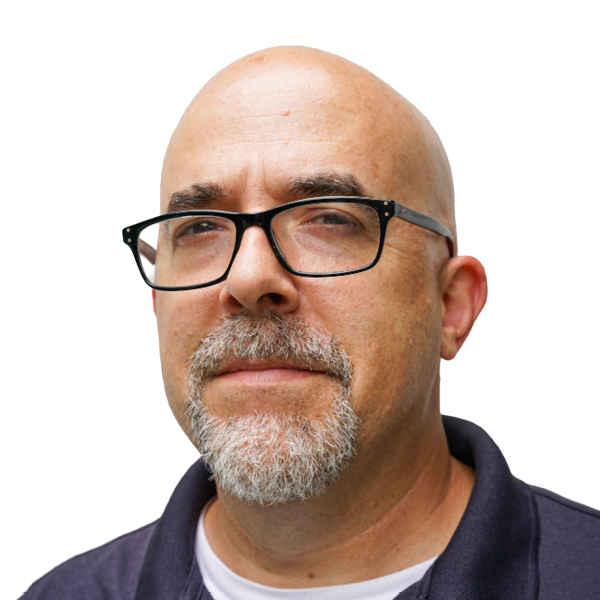
Paul Brasler, LCSW, CAIMHP, became a licensed clinical social worker in 2002.
Paul is the coordinator for the Chesterfield County (Virginia) Employee Behavioral Health Program,
through which he and his team provide clinical services to first responders and human services
personnel. He has extensive experience working with people in crisis and people living with
substance use disorders, including adolescent residential treatment, community mental health
settings, hospital emergency departments, juvenile drug court, and private practice.
Paul has been a national presenter (through PESI) since 2016, and he has presented classes across
the country on mental health emergencies, high-risk clients, resiliency, and a certification course
for clinicians working with people with substance use disorders. He has written three
books: The Clinician’s Guide to Suicide Management, PESI Publishing,
2025; The Clinician’s Guide to Substance Use Disorder, PESI Publishing, 2022;
and High-Risk Clients, PESI Publishing, 2019. Paul lives in Richmond, Virginia, with
his beautiful wife, three sons, cowardly dog, and two dwarf rabbits who are quietly plotting to
destroy the world.
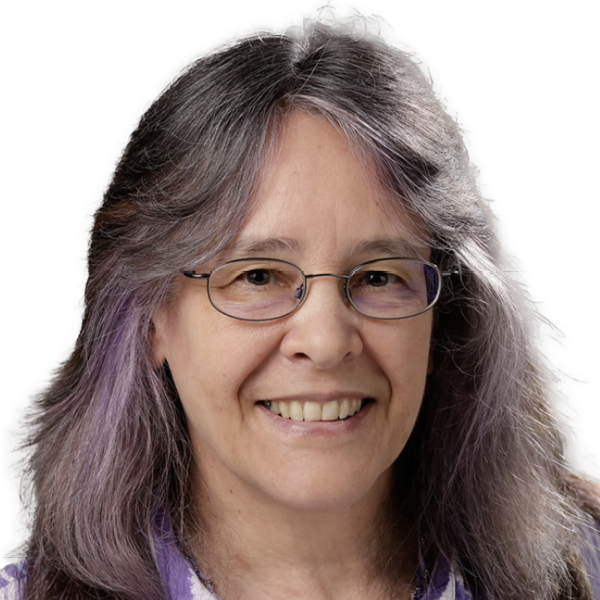
Lisa Morgan, MEd, CAS, is a consultant specializing in crisis support and suicide prevention for autistic people. Lisa is founder and co-chair of the Autism and Suicide committee at the American Association of Suicidology (AAS) and has developed several autism specific resources for communicating and supporting autistic people in crisis. A self-advocate with a passion for strengths-based solutions, Lisa has authored several books, articles, and resources all available on her website, www.autismcrisissupport.com. She is a community council member of AASET (Autistic Adults and other Stakeholders Engaged Together), a group of autistic adults informing autism research priorities. Lisa has a master’s degree in the Art of Teaching. She is a certified autism specialist, a peer reviewer of the online journal, Autism in Adulthood, and owner of Lisa Morgan Consulting, LLC.
Click here for information about Lisa Morgan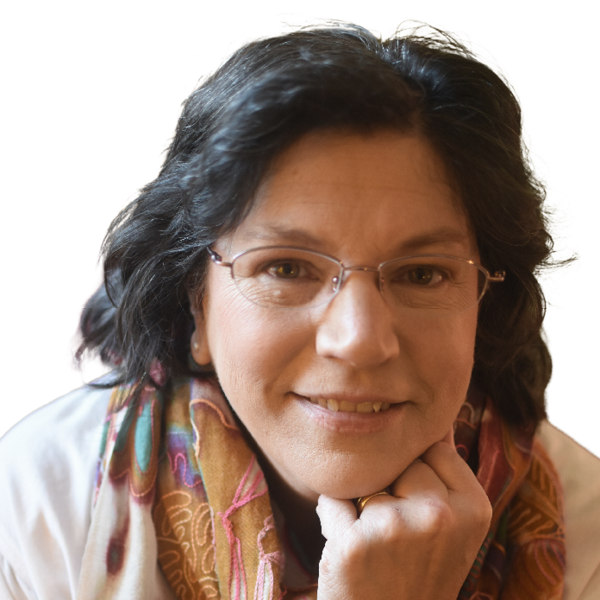
Mary P. Donahue, PhD, is a trauma-informed clinical practitioner, author, lecturer, consultant and advocate for various forms of interpersonal trauma such as childhood and adult sexual assault, interpersonal violence, neglect and other betrayals. The leads naturally to the autistic population. Dr. Donahue has authored several articles and books on mainstream/autistic interactions. She is a Certified Autism Spectrum Disorder Clinical Specialist, serves on various mental health boards, and advocates for the need to embrace different thinking when serving non-neurotypical individuals.
Click here for information about Mary Donahue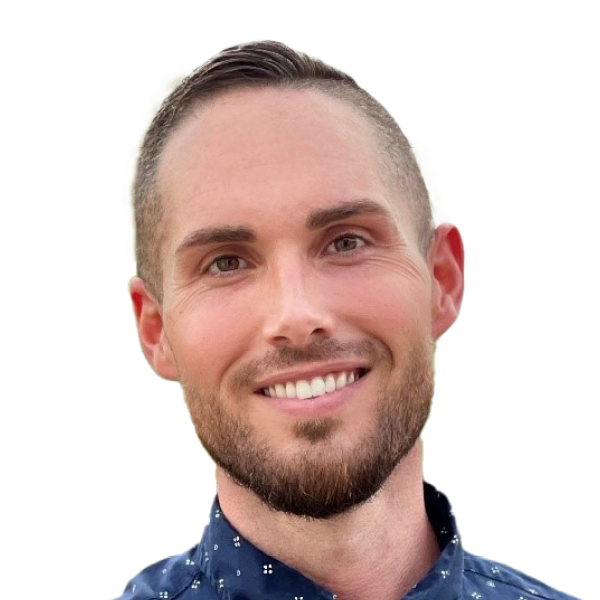
Wyatt R. Evans, PhD, ABPP, is a licensed and board-certified psychologist who specializes in moral injury theory, assessment, and interventions. He is a staff psychologist with the VA North Texas Health Care System and assistant professor at UT Southwestern Medical Center. Dr. Evans’ expertise in posttraumatic stress, resilience, and recovery comes from his training and work in military treatment facilities, veterans affairs hospitals, and PTSD research institutions. He is lead author of The Moral Injury Workbook and founded the Moral Injury Special Interest Group of the International Society for Traumatic Stress Studies (ISTSS). Dr. Evans has consulted with healthcare providers and administrators as well as organizations supporting emergency managers and first responders to support the recognition, prevention, and treatment of moral injury.
Click here for information about Wyatt R. EvansIf you care deeply about supporting and guiding people in crisis, this program will leave you equipped, confident, and prepared with specific tools to navigate even the most challenging situations with confidence and compassion. You’ll be able to enhance your clinical toolkit, deepen your expertise, and become a beacon of hope for your clients.
Yes. Start anytime. Go as fast or slow as you need.
You can earn up to 16 CPD hours. CPD credit is included in your registration—no extra fees.
This course comes with Unlimited Access. You can pause, replay, and review the material whenever it works best for your schedule. During your access period, you can revisit the content as often as you like!