
Menu
Please wait ...

“There’s no point in living anymore...” “Everyone would be better off if I weren’t around...” “The pain is just too much, I can’t handle it...”
These are some of the thoughts repeating in the minds of many people you see in your practice.
These desperate thoughts go round and round for so long the client starts to believe them.
Add the sense of isolation that comes from NOT talking about it, and it becomes nearly impossible to escape that emotional turmoil.
Hospitalization isn’t usually the answer for clients struggling with suicidality. And new research shows trained outpatient clinicians with a reliable set of skills and interventions can manage suicidality in their practices.
Because expert training in managing suicidal thoughts and behaviours can be hard to find...
We've brought together many of the leading trainers in the field for this suicide prevention online training course.
Join world-renowned expert clinicians and researchers like Thomas Joiner, director of the renowned Joiner Research Lab; Kate Chard, co-developer of Cognitive Processing Therapy; Kelly Posner, director of the Columbia Lighthouse Project & developer of the Columbia Protocol; and experts on DBT, Internal Family Systems, Veterans, Youth and Teens.
Earn up to 13 CPD Hours.
Click here for course objectives and outline.
Discover treatment strategies for chronic suicidality, thoughts, behaviours, attempts, and SO much more! Plus, you can earn up to 13 CPD hours in one of the most important areas of treatment for ALL clinicians!
Register today for your chance to train with some of the most sought-after experts in the world to help your clients find hope and healing:And so much more, including workshops from Kathryn Gordon, PhD, on chronic suicidal thoughts and Stacey Freedenthal, PhD, LCSW, on how to best help suicidal clients.
Earn up to 13 CPD hours.
Click here for course objectives and outline.
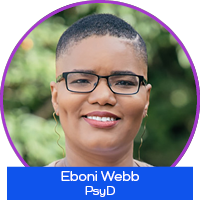
Eboni Webb, PsyD | Click here for information about Eboni Webb
This session will provide practical techniques and skills to address suicidal urges and actions grounded in DBT principles. Learn how to manage emotional arousal with innately sensitive clients that frequently leverage their lives for relational attachment while often exhausting support networks, including their therapists. Deepen your DBT skills toolkit with vital interventions and scripts to deescalate life-threatening behaviours, which is the primary target of individual DBT treatment.
Earn up to 13 CPD hours.
Click here for course objectives and outline.
Justin Baker, PhD | Click here for information about Justin Baker
This session will focus on using the crisis response plan (CRP) for managing acute suicide risk with at risk-individuals. You’ll discover specific strategies for conducting a patient-centred narrative assessment for assessing suicide risk and a tailored crisis response plan that prioritizes self-management strategies the patient can self-implement to reduce overall risk.
Earn up to 13 CPD hours.
Click here for course objectives and outline.
Eboni Webb, PsyD, opened the private practice Kairos in Middle Tennessee in July 2010. Kairos, now The Village of Kairos, offers diverse DBT specializations including trauma-based disorders and co-occurring disorders.
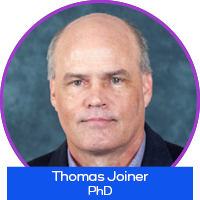
Click here for information about Eboni Webb.Thomas Joiner, PhD, is an American academic psychologist and leading expert on suicide. He is the Robert O. Lawton Professor of Psychology at Florida State University, where he operates his Laboratory for the Study of the Psychology and Neurobiology of Mood Disorders, Suicide, and Related Conditions.
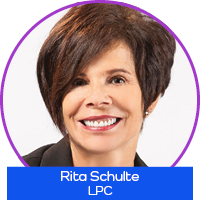
Click here for information about Thomas Joiner.Rita Schulte, LPC, is a licensed professional board-certified counsellor. She received her B.S. in psychology and a master's degree in counselling from Liberty University in Lynchburg, Virginia. Rita has a private practice in Fairfax where she specializes in the treatment of eating disorders, anxiety/depressive disorders, as well as grief, loss, and trauma.
Click here for information about Rita Schulte.Victor Armstrong, MSW, BS, has dedicated his career to building and strengthening community resources to serve individuals living with mental illness. He serves as Director of the North Carolina Division of Mental Health, Developmental Disabilities, Substance Abuse Services. He currently serves on the board of directors of American Foundation for Suicide Prevention (AFSP) NC. He is also former board chair of NAMI NC, and a member of American Association of Suicidology (AAS), and NASW-NC.
Click here for information about Victor Armstrong.Kathryn Gordon, PhD, is a licensed clinical psychologist who specializes in cognitive-behavioural therapy (CBT). Before her current position as a therapist and eating disorders researcher, she was a psychology professor who taught courses about mental health and cultural diversity, mentored graduate students, and published mental health research.
Click here for information about Kathryn H. Gordon.Dr. Kelly Posner Gerstenhaber is the founder and Director of the Columbia Lighthouse Project (formerly the Center for Suicide Risk Assessment) at Columbia University and a member of the board of the American Foundation for Suicide Prevention. In 2018, Dr. Posner was awarded the Secretary of Defense Medal for Exceptional Public Service.
Click here for information about Kelly Posner Gerstenhaber.Justin Baker, PhD, is a clinical psychologist who specializes in military mental health with an emphasis in treating and researching trauma and suicide. He served on active duty for four years as a clinical psychologist with the Navy and continues to do so as an active reservist.
Click here for information about Justin Baker.Kathleen M. Chard, PhD, is a co-developer of Cognitive Processing Therapy (CPT) and director of the Trauma Recovery Center at the Cincinnati VA Medical Center. Serving as the VA CPT Implementation Director, Dr. Chard oversees the dissemination of CPT to mental health clinicians across the United States. A sought-after speaker, Dr. Chard has personally trained over 5,000 clinicians throughout the United States on using CPT with veterans, active duty personnel, and civilians in addition to overseeing the training of tens of thousands of others via the trainers she supervises.
Click here for information about Kathleen M. Chard.Tony L. Sheppard, Psy.D., CGP, FAGPA, specializes in treating young people suffering from psychiatric issues including self-harm and suicide. A licensed psychologist and certified group psychotherapist, Tony brings over 15 years of experience working with children, adolescents, and young adults to his clinical practice. In addition to his private practice, Groupworks, he has trained hundreds of clinicians, educators, nurses, and physicians across the country in the treatment of self-harm and suicide, and is the author of a training curriculum in group psychotherapy.
Click here for information about Tony L. Sheppard.Stacey Freedenthal, PhD, LCSW, is licensed clinical social worker skilled at treating the full range of clinical issues, from stress management to serious mental illness. She has focused her clinical and academic work on suicide risk assessment, prevention, and intervention for the last 20 years.
Click here for information about Stacey Freedenthal.Frank Anderson, MD, specializes in the treatment of trauma and dissociation and is passionate about teaching brain-based psychotherapy and integrating current neuroscience knowledge with the IFS model of therapy. He serves as an advisor to the International Association of Trauma Professionals (IATP) and was the former chair and director of the Foundation for Self-Leadership.
Click here for information about Frank Anderson.Earn up to 13 CPD hours.
Click here for course objectives and outline.
Continuing Professional Development Certificates
PESI AU offers quality online continuing professional development events from the leaders in the field at a standard recognised by professional associations including psychology, social work, occupational therapy, alcohol and drug professionals, counselling and psychotherapy. On completion of the training, a Professional Development Certificate is issued after the individual has answered and submitted a quiz and course evaluation.