
Menu
Please wait ...

Science has shown us that emotions and traumas get stored in the body—not just as memories, but as bodily sensations.
But while we know how important the body is in therapy, many therapists find it difficult to know exactly how to work with those trapped emotions and traumas.
...It can feel so daunting.
What if there were clear and effective ways of working with those trapped emotions that are stuck in the body, even if you're not necessarily a "body-based" therapist?
Hosted by renowned trauma therapist Janina Fisher, this interactive online summit brings together today's leading therapists who are at the cutting-edge of understanding what to do when working just with thoughts isn't enough....


As a clinician, you already know: Treating trauma is hard and exhausting work.
Its impact is complex and far-reaching, as we see from the pain caused by extended isolation and anxiety, as well as deep-rooted racial trauma.
But after years of research and exploration we have the knowledge to effectively heal trauma...
...And it starts by helping our clients transform past trauma imprints through physical experiences that directly contradict the helplessness, rage, and collapse that are part of trauma.
But how do you integrate body-based approaches with traditional talk therapies?
And how do you do this successfully through virtual settings in the age of social distancing?
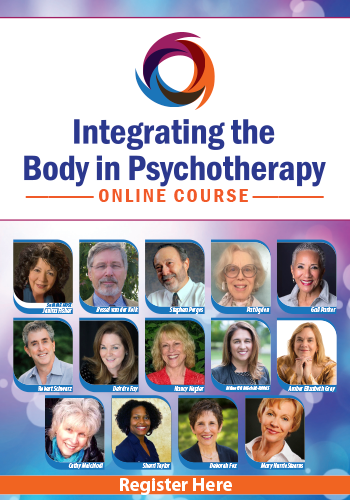
Join me for this online course, where you'll get insight from psychotherapy's top thought leaders and clinical experts, including Bessel van der Kolk, Stephen Porges, Pat Ogden, Gail Parker, Robert Schwarz and more…
Together, they'll show you the practical, evidence-based somatic strategies you need to improve therapeutic outcomes and how you can adapt their proven tools to your virtual practice.
Don’t wait to join me for this one-of-a-kind online course and discover how you can integrate the body in psychotherapy to help your clients find sources of joy, creativity, meaning, and connection — all the things that make life worth living.
~ Janina Fisher, PhD

Dr. Bessel van der Kolk will show you how to connect neuroscience, trauma research and clinical practice in your therapeutic work.

Scientific evidence reveals how to help your clients feel safe enough to get to the REAL issues — so they can finally heal from trauma, depression, addiction and other mental health challenges.

The body’s intelligence is largely an untapped resource in psychotherapy. Yet the story told by the “somatic narrative”—gesture, posture, prosody, facial expressions, eye gaze, and movement—is arguably more significant than the story told by the words.

The emotional wounds of race-based trauma land in the body. The resulting pain is not a cognitive experience and recovery cannot occur by talk therapy alone — in fact, talking about it can be re-traumatizing.
Despite the feeling of being irretrievably damaged, all humans have a brain capable of visualizing or imagining experiences of acceptance, closeness, and comfort that evoke the same somatic sensations associated with early secure attachment.

Learn how you can use Emotional Freedom Techniques and other Energy Psychology (EP) approaches to rapidly down regulate the body — so your clients can better process and respond to stressful and traumatic events.
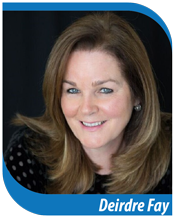
This presentation presents the Becoming Safely Embodied model and its integration of ancient traditions from the yoga and mindfulness world into attachment theory and psychotherapy.

Somatic Experiencing® offers approaches that allow us to help clients move from the disorganization of unmetabolized trauma responses to the organization of a coherent, regulated system.

We live in a time of collective trauma. It is a shared experience that impacts the psychological and somatic health for both clients and therapist. This presentation will provide clinical tips on how to utilize somatic interventions for both client and therapist.

The most essential ingredient for client co-regulation is therapist self-regulation. That's why this presentation will share embodied breath, somatic and movement practices that offer stabilization, grounding, and state-shifting for both client and therapist well-being.

There is no conversation worth having if the nervous system isn’t in a settled state. When couples become emotionally charged their nervous systems become alert, ready to defend — keeping vulnerable feelings buried and interfering with their ability to effectively engage with their partner.

Dreamwork as contemplative practice facilitates psychospiritual wellness through the medicines of rest and restful activity and gentle contemplation of personal embodiment and sensory experience(s).

This unique 18-hour video on-demand will help you understand the latest research related to yoga and mindfulness. You'll discover how to implement brain changing practices, yogic interventions, mindfulness, and self-compassion techniques throughout all phases of your therapy sessions.
You'll end this training ready to: